Exploring the fascinating world of Japanese love hotels
Japan’s unique love hotel industry offers visitors an intriguing glimpse into the country’s intimate hospitality culture. These specialized accommodations provide couples with privacy, luxury amenities, and themed experiences unlike anywhere else in the world. With over 25,000 love hotels operating across Japan as of 2024 according to the Japan Love Hotel Association, this billion-dollar industry continues thriving. But what makes these establishments so fascinating for curious travelers? Discover the cultural significance and practical insights at https://www.japaneselovehotels.com/ to understand this remarkable aspect of Japanese society.
What are love hotels and their role in Japanese society
Love hotels emerged in post-war Japan as a unique solution to the country’s housing crisis and changing social dynamics. These establishments, known as “rabu hoteru” in Japanese, originally provided private spaces for couples in a society where multi-generational homes offered little intimacy.
Also to discover : What Makes UK Tourist Attractions So Appealing?
The concept evolved from simple “rendezvous inns” in the 1960s to elaborate themed destinations featuring everything from medieval castles to futuristic spacecraft designs. What started as a practical necessity transformed into a billion-dollar industry reflecting Japan’s economic boom and evolving attitudes toward relationships.
Today, love hotels serve a broader purpose beyond their original intent. They accommodate business travelers, tourists seeking unique experiences, and even families looking for affordable accommodation. Many modern love hotels rival luxury resorts with karaoke rooms, jacuzzis, and 24-hour room service.
Also to discover : Explore the magical cotswold lavender fields: a complete guide to savoring their peak bloom beauty
This cultural institution reflects Japanese society’s pragmatic approach to privacy and discretion. Rather than being stigmatized, love hotels are generally accepted as part of the urban landscape, providing essential services in densely populated cities where personal space remains precious.
How these unique accommodations operate
Love hotels function through a remarkably streamlined system designed to prioritize both convenience and privacy. Most establishments feature automated check-in processes where guests select their room from illuminated panels displaying available options, complete with photos and hourly or overnight rates.
The payment system reflects Japan’s preference for cash transactions and anonymity. Guests typically pay through automated machines or pass money through discrete payment windows, eliminating direct staff interaction. Many facilities accept both cash and IC cards, though credit cards remain less common in traditional establishments.
Two primary booking options cater to different needs: “rest” stays offer 2-3 hour sessions during daytime hours, while “stay” packages provide overnight accommodation from evening until late morning. Weekend and holiday rates often increase, with premium rooms commanding higher prices for their elaborate themes and amenities.
Discretion protocols extend beyond payment methods. Staff maintain minimal visibility, room service operates through secure delivery systems, and parking areas often feature covered spaces or separate entrances. These operational details ensure guests experience the privacy that defines Japan’s love hotel culture while maintaining the efficiency that makes them accessible to both locals and curious travelers.
Design features and themed experiences
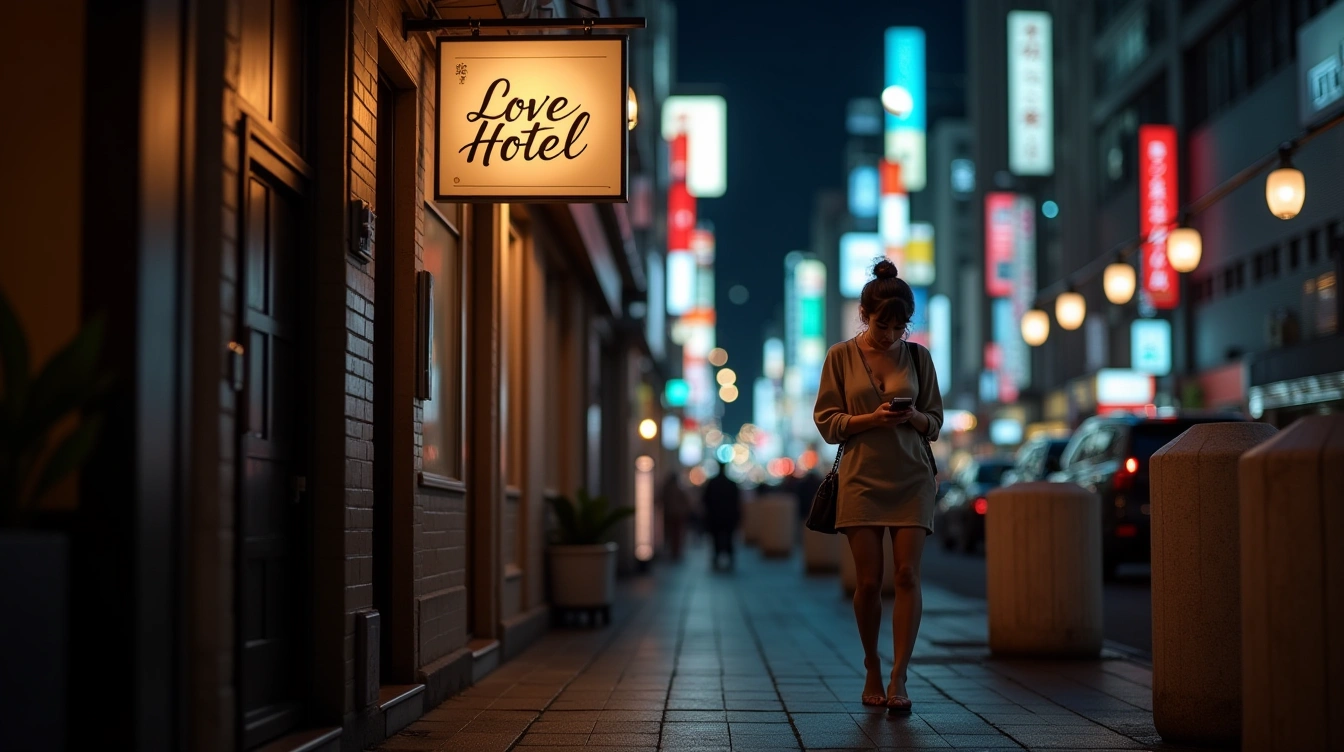
The architecture of Japanese love hotels pushes the boundaries of creative imagination. These establishments transform each room into an immersive themed universe, where every architectural detail tells a unique story. The extravagant facades, often adorned with colorful neon lights and whimsical sculptures, already hint at the artistic experience that awaits inside.
Medieval themes are among the most popular, with rooms faithfully replicating European castles. Carved furniture, authentic tapestries, and soft lighting create a fairytale atmosphere. In contrast, space themes propel visitors into futuristic ships equipped with illuminated control panels and sleek furniture.
Cartoon worlds add a touch of nostalgia with their bright colors and iconic characters. Each themed room features specialized amenities: heart-shaped jacuzzis, sophisticated lighting systems, and custom-made furniture. This meticulous attention to decorative detail makes each stay a true living work of art, showcasing Japanese creative genius.
Essential guidelines for international visitors
Visiting love hotels as a foreign tourist requires understanding both practical rules and cultural sensitivities. These establishments operate under specific guidelines that ensure respectful experiences for all guests.
Most love hotels welcome international visitors, though some may require basic Japanese phrases or translation apps for check-in. Payment is typically handled through automated machines, making the process straightforward regardless of language barriers.
- Always carry valid identification and respect the establishment’s policies
- Maintain discretion and quiet behavior in common areas and hallways
- Follow room time limits strictly – overstaying can result in significant additional charges
- Keep personal belongings secure and avoid leaving valuables unattended
- Respect the privacy of other guests by avoiding loud conversations or photography
Understanding these cultural expectations ensures a smooth experience while showing respect for Japanese hospitality customs. Remember that love hotels are legitimate businesses operating within Japan’s legal framework, making them safe options when proper etiquette is observed.
Cost breakdown and booking considerations
Love hotel pricing varies significantly across Japan, with Tokyo and Osaka commanding the highest rates. In metropolitan areas, expect to pay between ¥4,000-8,000 for a two-hour “rest” period during daytime, while overnight stays range from ¥8,000-15,000. Rural locations offer more affordable options, typically 30-40% lower than urban centers.
Peak hours dramatically influence pricing. Friday and Saturday nights see substantial markups, sometimes doubling standard rates. Holiday periods like Golden Week and New Year bring additional surcharges. Conversely, weekday afternoons offer the most economical rates, making them ideal for budget-conscious travelers.
Most love hotels include amenities that would cost extra elsewhere: premium toiletries, room service, karaoke systems, and elaborate themed décor. When compared to traditional business hotels charging ¥12,000-20,000 per night in major cities, love hotels can offer surprising value, especially for short stays.
For tourists planning ahead, consider booking during off-peak hours and avoiding weekends. Many establishments accept cash only, so plan accordingly. While some locations near airports offer English support and credit card payments, having yen readily available ensures smoother transactions throughout your cultural exploration.
Regional variations across Japan
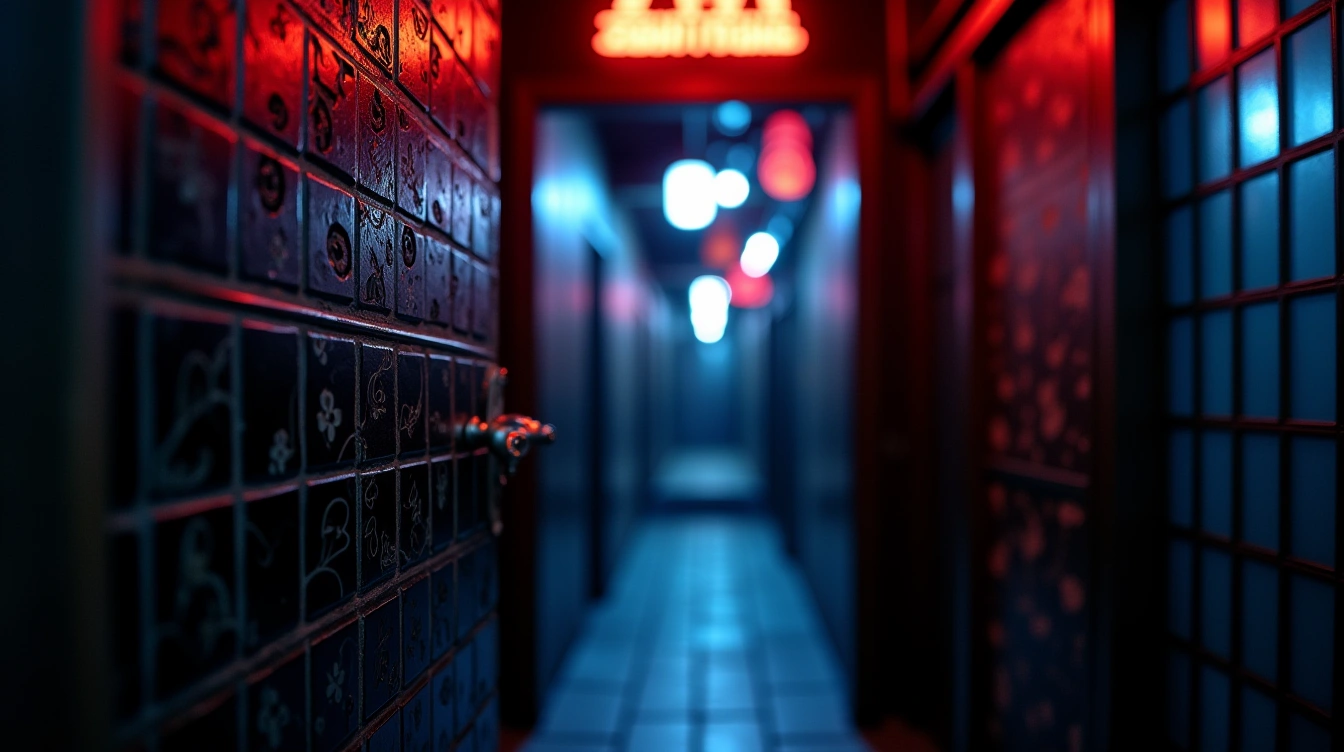
Love hotels across Japan reflect the unique cultural identity of each region, creating distinct experiences that mirror local preferences and architectural traditions. Tokyo’s establishments lean heavily toward futuristic themes and cutting-edge technology, featuring everything from spaceship-inspired rooms to advanced automation systems that cater to the capital’s tech-savvy clientele.
In contrast, Osaka’s love hotels embrace the city’s reputation for warmth and humor, often incorporating playful designs and vibrant color schemes. The Kansai region’s merchant culture influences these venues, with many offering exceptional value and creative amenities that reflect the area’s practical yet entertaining spirit.
Kyoto presents a more refined approach, where traditional aesthetics blend seamlessly with modern comfort. Many establishments in the ancient capital feature tatami rooms, wooden architecture, and subtle nods to the city’s imperial heritage, creating an atmosphere of understated elegance that honors local cultural sensibilities.
Regional differences extend beyond design to operational aspects, with northern prefectures typically offering larger rooms suited for longer stays during harsh winters, while coastal areas often incorporate marine themes and ocean views into their architectural concepts.
Your questions about Japanese love hotels
Love hotels remain one of Japan’s most intriguing cultural phenomena, sparking countless questions from curious travelers. These unique accommodations blend privacy, discretion, and often elaborate themes in ways that fascinate visitors from around the world.
What exactly are love hotels in Japan and how do they work?
Love hotels are short-stay accommodations designed for privacy and intimacy. Guests typically pay hourly rates, enter through discreet entrances, and enjoy themed rooms with enhanced amenities for ultimate discretion.
Are love hotels in Japan only for couples or can tourists stay there?
While designed for couples, many love hotels welcome solo travelers and tourists. Some offer overnight stays, making them viable budget accommodation options, especially in expensive city centers.
How much do love hotels cost in Japan and what’s included?
Prices range from ¥3,000-15,000 depending on duration and luxury level. Most include private bathrooms, entertainment systems, complimentary toiletries, and often unique room themes or special features.
Is it safe and legal for foreigners to use love hotels in Japan?
Love hotels are completely legal and safe establishments. They maintain high cleanliness standards and security measures. Foreign tourists face no legal restrictions when staying at these accommodations.
What’s the difference between love hotels and regular hotels in Japan?
Love hotels prioritize privacy and discretion over traditional hotel services. They offer hourly rates, themed rooms, enhanced amenities, but typically lack lobbies, restaurants, or concierge services.